

Understanding Laser Shearography: Principles and Applications
In the world of non-destructive testing (NDT), Laser Shearography has emerged as a vital tool. This technique is particularly beneficial in industries like aerospace, wind energy, and composites manufacturing. But what exactly is Laser Shearography, and how does it work? Let’s dive into its principles and explore its various applications.
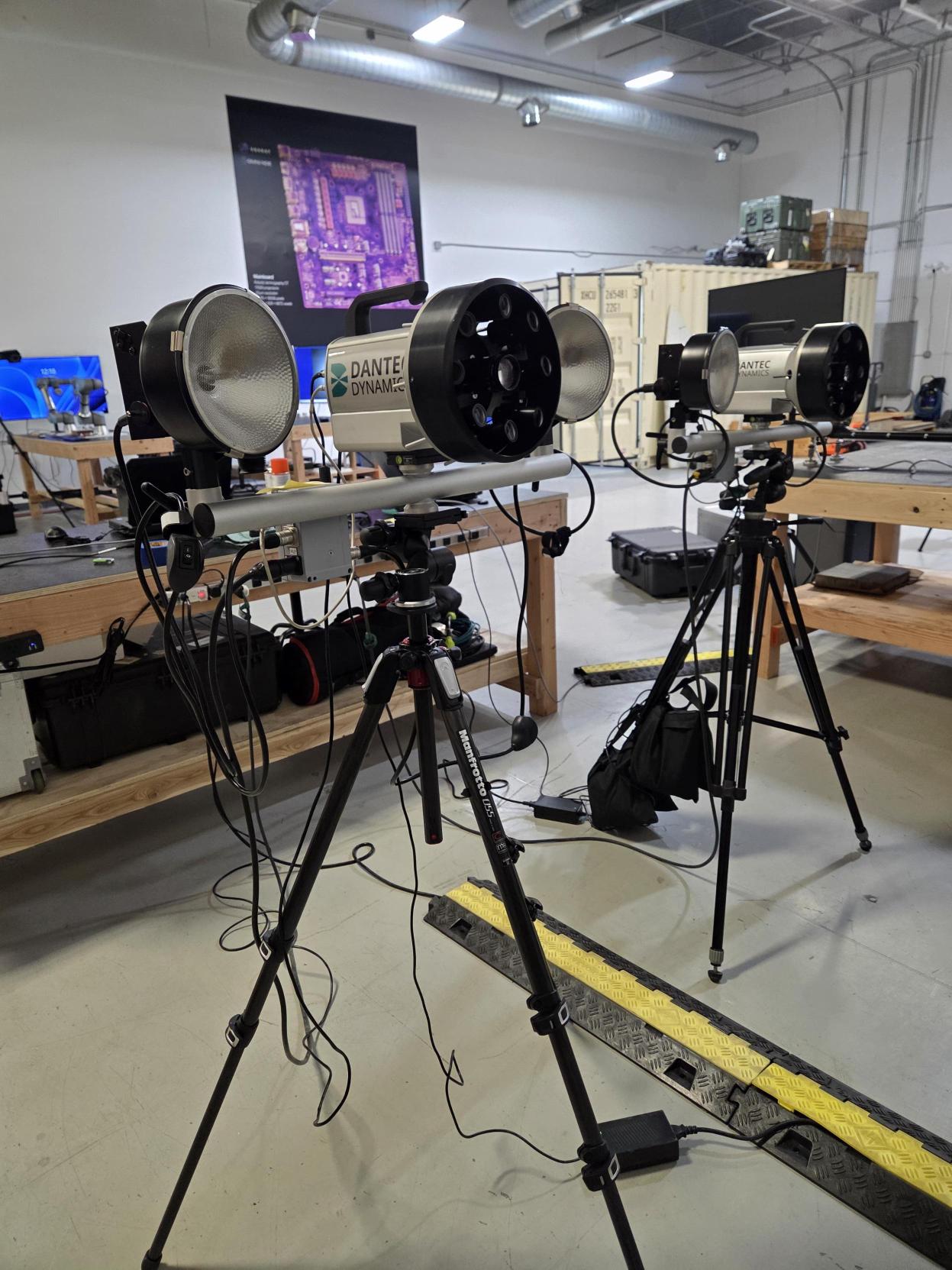
Laser shearography system for full-field, non-contact inspection of composites and bonded structures.
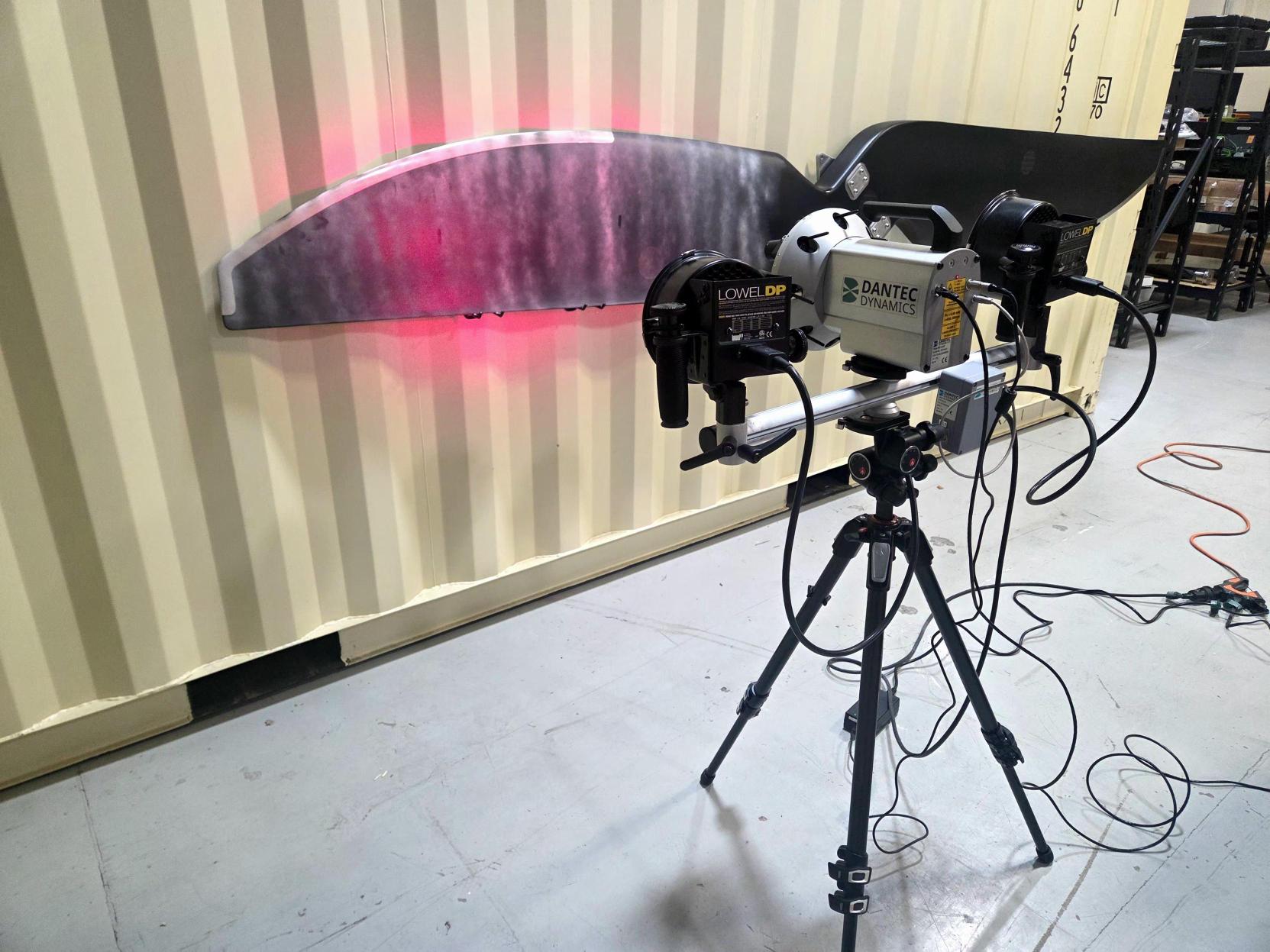
Laser Shearography is an advanced optical method used for non-destructive evaluation (NDE). Unlike traditional inspection methods that might require dismantling or even damaging the test subject, shearography allows for a full-field analysis without physical contact. It uses laser measurement tools to detect surface deformations, which can indicate underlying defects.
Summary
Laser Shearography is a full-field, non-contact NDT technique that uses laser speckle interferometry to detect minute surface deformations indicative of subsurface defects. It captures speckle patterns before and after applying a small thermal, mechanical, or vacuum load and compares them to reveal anomalies. Widely used in aerospace, wind energy, and composite manufacturing, it enables fast, sensitive inspections over large areas. While highly accurate and non-destructive, it requires careful setup and environmental control; ongoing advances are improving robustness and expanding its applications.
The Principles of Laser Shearography
The fundamental principle of Laser Shearography revolves around the interference of light. When a laser beam is directed onto the surface of an object, it reflects back and interferes with itself. This interference pattern, or speckle pattern, is captured before and after applying a slight load or stress to the object. The difference between these patterns reveals any deformations or defects.
Step-by-Step Process
- Preparation: The object is prepared, and the shearography system is set up.
- Initial Imaging: A baseline speckle pattern is recorded.
- Loading: A slight stress is applied, which could be thermal, mechanical, or vacuum-induced.
- Second Imaging: A new speckle pattern is captured.
- Analysis: The two patterns are compared to identify anomalies.
Applications of Laser Shearography
Aerospace Industry
The aerospace sector demands the highest safety standards. Laser Shearography is employed to inspect aircraft components for defects such as delaminations and disbonds in composite materials. It ensures structural integrity without compromising the material.
Wind Energy
In the wind energy industry, the reliability of turbine blades is crucial. Laser Shearography is used to inspect these blades for defects that could lead to failures. By identifying issues early, maintenance costs are reduced, and operational efficiency is increased.
Composites Manufacturing
Composites are widely used due to their lightweight and strong properties. However, their layered construction can hide defects. Shearography excels in detecting flaws like voids, wrinkles, and foreign object inclusions, ensuring quality and performance.
Advantages of Laser Shearography
Non-Destructive Nature
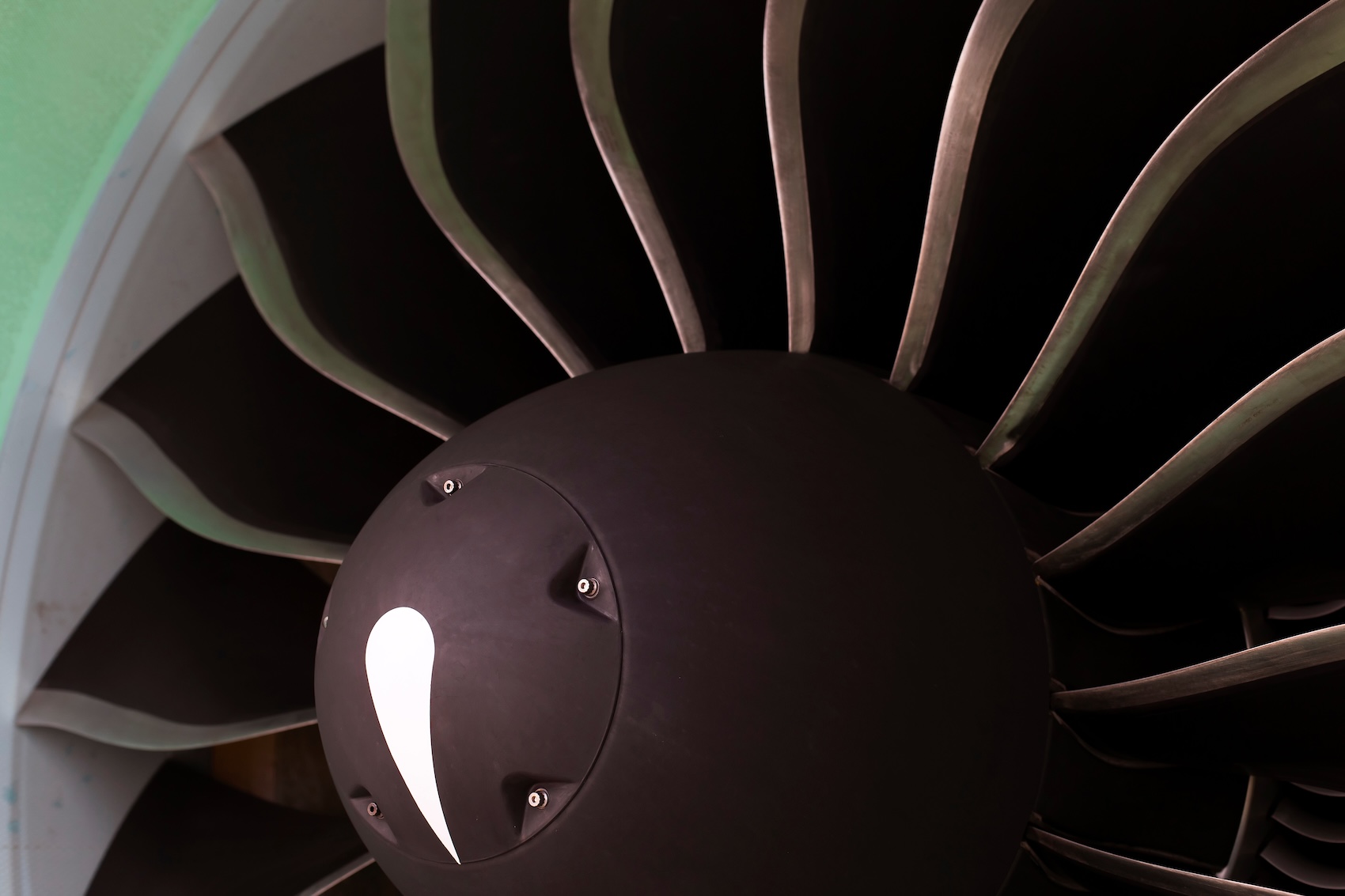
Jet engine turbine blades like these undergo advanced composite inspection and NDT to detect hidden flaws and ensure aerospace reliability.
One of the most significant benefits is that it is a non-destructive testing method. This means you can inspect sensitive or expensive parts without damaging them, saving time and costs associated with more intrusive techniques.
High Sensitivity and Accuracy
Laser Shearography offers high sensitivity to surface deformations, allowing for the detection of minute defects that other methods might miss. Its accuracy ensures that any detected issues are genuine, helping in making informed decisions about repairs or replacements.
Fast and Efficient
Compared to other NDT methods, shearography is relatively fast. It covers large areas quickly, making it ideal for industries where time is of the essence.
Challenges and Considerations
While Laser Shearography is advantageous, it does come with certain challenges. For instance, the initial setup can be complex and requires skilled operators. The technique is also sensitive to environmental conditions, such as vibrations and lighting, which can affect results.
Overcoming Challenges
To mitigate these issues, it’s essential to work in controlled environments and invest in training for operators. Advances in technology are also making systems more robust and user-friendly, further expanding their applicability.
Future Prospects of Laser Shearography
The future of Laser Shearography looks promising as technology advances. With improvements in laser technology and imaging systems, its applications are expected to expand. Research is ongoing to make shearography more accessible and efficient, which could lead to broader adoption in various industries.
Conclusion

by Sergey Zigle (https://unsplash.com/@sergeyzigle)
Laser Shearography is a groundbreaking tool in the field of non-destructive engineering. Its ability to provide detailed, accurate inspections without damaging materials makes it invaluable across several industries, including aerospace, wind energy, and composites manufacturing. As technology continues to evolve, the potential applications of Laser Shearography will only grow, making it a crucial component of modern inspection techniques.
By understanding its principles and applications, businesses can better leverage this technology to enhance safety, efficiency, and quality in their operations.